 Short-span bridge replacement is no longer challenged by funding alone. Today, many county and DOT engineers face a more pressing constraint: labor.
The construction industry needs an estimated 439,000 new workers to meet demand, and more than 90% of firms report difficulty hiring qualified labor. For bridge projects, this shortage directly affects schedules, safety, and delivery capacity.
Why Labor Shortages Increase Construction Risk
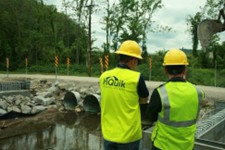 Extended construction schedules increase exposure for both workers and the traveling public. FHWA data links many roadway worker injuries to long-duration work zones, particularly on bridge projects.
Even modest reductions in on-site duration can have a measurable impact:
- Shortening construction by just one week can reduce exposure risk by up to 50%
- Fewer work hours translate directly to fewer safety incidents
For small agencies managing dozens or hundreds of bridges, these risks compound quickly.
Traditional Bridge Methods Demand More Labor Than Necessary
Conventional bridge construction often requires:
- Large crews
- Extensive falsework or under-bridge access
- Multiple subcontractors and trades
- Long sequencing windows vulnerable to weather and delays
These demands strain already limited workforces and increase reliance on outside contractors.
 How Unified Bridge Delivery Reduces Labor and Improves Safety
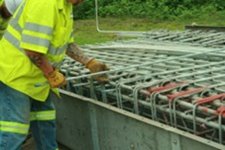
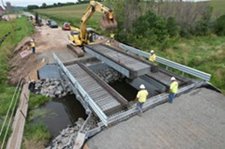
Unified delivery simplifies bridge construction by unifying prefabricated components with cast-in-place durability. The system ships as a coordinated package, including reinforcing cages and stay-in-place formwork, allowing crews to lift, set, and place concrete directly on-site.
Documented projects show:
- Up to 60% fewer installation man-hours
- Smaller crews and lighter equipment
- Above-deck construction that avoids under-bridge work, dewatering, and falsework
Because the system can be installed with local crews and minimal equipment, agencies gain flexibility while reducing risk.
Unified delivery also eliminates joints, bearings, and post-tensioning systems, which are among the most maintenance-intensive components of traditional bridges. Fewer components mean fewer future work zones, fewer repairs, and lower lifecycle costs.
For agencies navigating labor shortages and safety pressures, simplified delivery is becoming more critical than ever.
To see how unified delivery is helping agencies build faster and safer with fewer labor demands, download the free eBook on short-span bridge delivery.